Democrats
are responsible for Trump being in office because they ran a thoroughly
corrupt politician like Hillary Clinton against him.
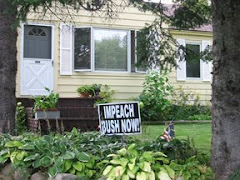
Now these same Democrats opportunistically and selfishly refuse to initiate proceedings available in the Constitution to remove him from office because they think they will have a better chance to elect Democrats like Hillary Clinton in 2018 and 2020... in the meantime the country goes downhill and people suffer.
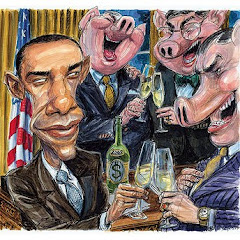
Democrats have no credibility when it comes to fighting the rampant racism and creeping fascist movement in this country because both Hillary Clinton and Barack Obama played key roles in bringing anti-Semitic fascists to power in the Ukraine, Latvia, Lithuania, Estonia, Albania and Romania... hence neither Hillary Clinton nor Barack Obama have played any significant roles in this struggle against racism and fascism now unfolding.
In addition, Obama was the first president since Johnson signed Affirmative Action into law not to enforce Affirmative Action and Hillary Clinton refused to support Affirmative Action during her campaign.
The Democratic Party has an extremely poor record when it comes to anti-racist action and civil rights; these Democrats have tolerated the most racist Dixiecrats for many years.
The Democratic Party hasn't even been an initiator of the anti-racist actions across the country.
Look at the web sites of the Democratic Party... not a word about organizing anti-racist/anti-fascist actions. No statements from the Democratic Party National Committee.
Look at even the Charlottesville Democratic Party website; no mention of recent events including the murder by these racists and fascists: http://cvilledems.org/
The Virginia Democratic Party played no role in trying to stop the KKK and Nazis from marching in Charlottesville.
The Democratic Party supported slavery. The Democratic Party supported Jim Crow laws for a hundred years. The Democratic Party had a terrorist arm: the KKK.
FDR and LBJ both had to fight the Dixiecrats and reactionary northern Democratic Party machines which used racism to maintain their power... Chicago and the racist Daley's being perfect examples... and Rahm Emanuel now.
Democratic Party machines in the north linked to the racist anti-integrationist segregationist George Wallace opposed integrated public schools and open housing.
That the Democratic Party refuses to bring articles of impeachment and use the 25th Amendment to remove Trump from office in spite of his stated racist and fascist pronouncements because these Democrats consider letting Trump dig himself a bigger deeper hole they expect to be a political windfall is the epitome of racism as racist and fascist violence spreads across this country.
If we want to view history and the present honestly, both the Democratic Party and Republican Party are thoroughly racist institutions--- Lincoln would be ashamed of today's Republican Party... one more reason why we need a new working class based people's party not afraid to move forward with a peace and anti-racist agenda--- of course, support for these dirty imperialist wars pushed by both Democrats and Republicans requires racism.
Compared to the very serious problems of racism and fascism now sweeping this country, the response of the Democratic Party might be compared to the squeak of the proverbial church mouse.
It is almost hard to believe the pathetic response of leaders of the Democratic Party to this most dangerous situation of rising racism and fascism in this country--- it is pathetic many Democrats are actually praising the pathetic responses from Hillary Clinton and Barack Obama given the fact that several Republicans have actually been more forceful in condemning Trump's racist fascist mindset and the Nazis and KKK.
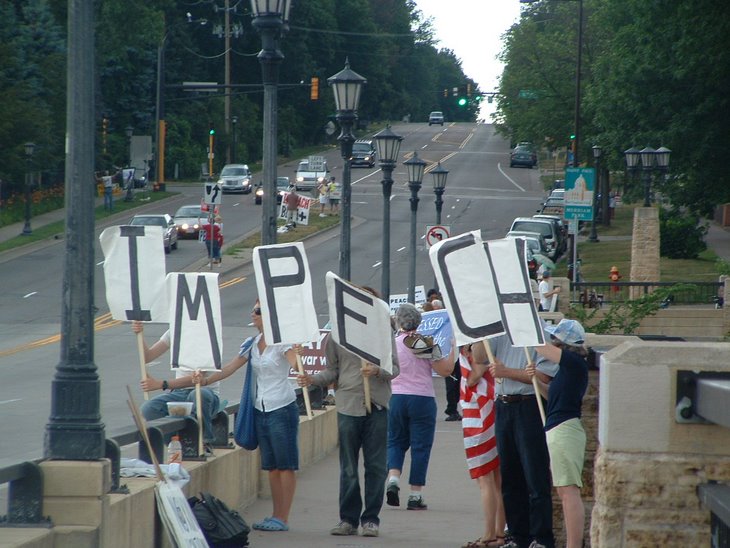
Let us put things in perspective: a proper response from the Democrats would be nothing less than taking action permitted by the United States Constitution to remove Trump from office right now before he can cause further harm.
A handful of Democrats have tried to initiate removal from office but they are being opposed by the leadership of the Democrats in both the House and Senate and the Democratic National Committee.
Pitiful has been the response from Perez and Ellison who should be leading the charge for Trump's impeachment and removal from office.
Any reasonably intelligent person can see that Trump is unfit to hold public office and poses a threat to our own people, our own country and world peace.
Pence will be a problem once Trump is removed; we can handle Pence, too, through mass action.
There is the dangerous possibility of a military coup. A mass movement intent on defending the U.S. Constitution and Bill of Rights and democracy can prevent, this, too.
Now these same Democrats opportunistically and selfishly refuse to initiate proceedings available in the Constitution to remove him from office because they think they will have a better chance to elect Democrats like Hillary Clinton in 2018 and 2020... in the meantime the country goes downhill and people suffer.
Democrats have no credibility when it comes to fighting the rampant racism and creeping fascist movement in this country because both Hillary Clinton and Barack Obama played key roles in bringing anti-Semitic fascists to power in the Ukraine, Latvia, Lithuania, Estonia, Albania and Romania... hence neither Hillary Clinton nor Barack Obama have played any significant roles in this struggle against racism and fascism now unfolding.
In addition, Obama was the first president since Johnson signed Affirmative Action into law not to enforce Affirmative Action and Hillary Clinton refused to support Affirmative Action during her campaign.
The Democratic Party has an extremely poor record when it comes to anti-racist action and civil rights; these Democrats have tolerated the most racist Dixiecrats for many years.
The Democratic Party hasn't even been an initiator of the anti-racist actions across the country.
Look at the web sites of the Democratic Party... not a word about organizing anti-racist/anti-fascist actions. No statements from the Democratic Party National Committee.
Look at even the Charlottesville Democratic Party website; no mention of recent events including the murder by these racists and fascists: http://cvilledems.org/
The Virginia Democratic Party played no role in trying to stop the KKK and Nazis from marching in Charlottesville.
The Democratic Party supported slavery. The Democratic Party supported Jim Crow laws for a hundred years. The Democratic Party had a terrorist arm: the KKK.
FDR and LBJ both had to fight the Dixiecrats and reactionary northern Democratic Party machines which used racism to maintain their power... Chicago and the racist Daley's being perfect examples... and Rahm Emanuel now.
Democratic Party machines in the north linked to the racist anti-integrationist segregationist George Wallace opposed integrated public schools and open housing.
That the Democratic Party refuses to bring articles of impeachment and use the 25th Amendment to remove Trump from office in spite of his stated racist and fascist pronouncements because these Democrats consider letting Trump dig himself a bigger deeper hole they expect to be a political windfall is the epitome of racism as racist and fascist violence spreads across this country.
If we want to view history and the present honestly, both the Democratic Party and Republican Party are thoroughly racist institutions--- Lincoln would be ashamed of today's Republican Party... one more reason why we need a new working class based people's party not afraid to move forward with a peace and anti-racist agenda--- of course, support for these dirty imperialist wars pushed by both Democrats and Republicans requires racism.
Compared to the very serious problems of racism and fascism now sweeping this country, the response of the Democratic Party might be compared to the squeak of the proverbial church mouse.
It is almost hard to believe the pathetic response of leaders of the Democratic Party to this most dangerous situation of rising racism and fascism in this country--- it is pathetic many Democrats are actually praising the pathetic responses from Hillary Clinton and Barack Obama given the fact that several Republicans have actually been more forceful in condemning Trump's racist fascist mindset and the Nazis and KKK.
Let us put things in perspective: a proper response from the Democrats would be nothing less than taking action permitted by the United States Constitution to remove Trump from office right now before he can cause further harm.
A handful of Democrats have tried to initiate removal from office but they are being opposed by the leadership of the Democrats in both the House and Senate and the Democratic National Committee.
Pitiful has been the response from Perez and Ellison who should be leading the charge for Trump's impeachment and removal from office.
Any reasonably intelligent person can see that Trump is unfit to hold public office and poses a threat to our own people, our own country and world peace.
Pence will be a problem once Trump is removed; we can handle Pence, too, through mass action.
There is the dangerous possibility of a military coup. A mass movement intent on defending the U.S. Constitution and Bill of Rights and democracy can prevent, this, too.